“What does your EV cost per mile?” sounds like a question with one answer. It has at least three, and the gulf between them is where most misleading claims about EV economics live. Quote the electricity-only figure and the car sounds nearly free; include depreciation and the same car, the same month, the same miles can cost several times as much. Neither number is wrong. They are answers to different questions — and Amperlo’s Dashboard lets you switch between them explicitly, so you always know which question you are answering.
The toggle at the top of the Dashboard
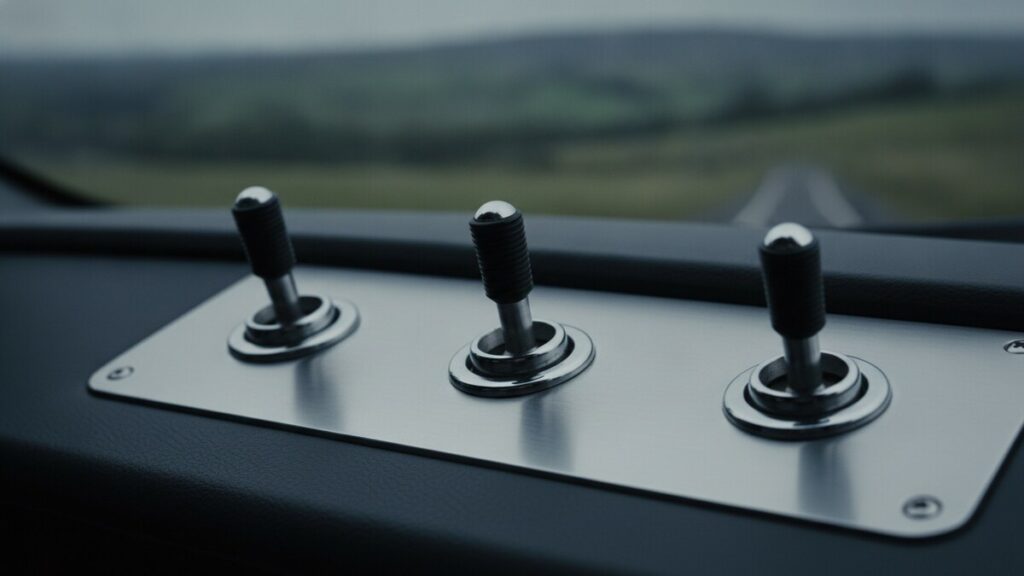
At the top of the Dashboard sits a three-way toggle: Energy, Running, and TCO. It changes the lens on your cost-per-mile figure, and your choice is remembered per user — switch to Running today and the Dashboard opens in Running tomorrow, on this phone or any other, until you change it again. If you think in accountant mode and your partner thinks in electricity mode, each account keeps its own preference.
Energy: just the electrons
Energy mode divides what you have spent on charging by the miles you have driven. Nothing else. It is the lowest of the three figures and the one EV articles usually quote — which is fine, as long as everyone knows that is what it is.
It is also genuinely the right lens for some questions. When you want to know whether the overnight marina rate is beating the public rapid chargers, whether a loyalty discount is actually saving you money, or what that month of motorway driving did to your average, maintenance and depreciation are noise. Energy mode isolates the thing you can influence charge by charge.
Running: the accountant’s number
Running mode adds everything in your maintenance ledger to the energy spend: services, tyres, brakes, MOT, insurance, VED, warranty. This is the cost of operating the car — the number an accountant would recognise, and the fair one to use when comparing against what a petrol car used to cost you, since petrol cars had tyres and insurance too.
Running mode is only as honest as the ledger behind it, which is why the two features are really one system: log the boring invoices and the Running figure quietly becomes the most defensible number in the app.
TCO: what the car actually costs you
Total cost of ownership adds the capital side — the money the car itself consumes. And here Amperlo does something most calculators skip: it composes TCO differently depending on how you acquired the car, because the honest arithmetic is different in each case. You record the purchase details once, and the Dashboard applies the right recipe:
- Bought outright — TCO is running costs plus depreciation: the gap between what you paid and what the car is worth now, spread over your miles. The cash left your account on day one; depreciation is how it fairly meets each mile.
- PCP — running costs plus depreciation plus the interest on the finance. Depreciation already accounts for the capital you are burning, so counting full monthly payments on top would double-count; the payments’ principal is the depreciation you are already charged for. What PCP genuinely adds over buying outright is the cost of borrowing, so that is what gets added — with the interest worked out properly from the amount financed and your APR. A 0% agreement adds nothing here, which is exactly right.
- Lease — running costs plus the deposit and the monthly payments. No depreciation line at all: you never own the car, so its falling value is the leasing company’s problem. Your capital cost is precisely what you hand over, so that is precisely what is counted.
The result is that TCO means the same thing across ownership types — “everything this car takes from you, per mile” — even though the ingredients differ. A leaseholder and an outright owner can compare figures and the comparison is fair.
Where the ingredients come from
Each mode draws on a different part of your log, which is worth knowing because it tells you what to keep up to date. Energy mode needs only your charging sessions and odometer readings — the free tier’s bread and butter. Running mode adds the maintenance ledger, so its accuracy tracks how faithfully you file the garage invoices. TCO leans on the purchase details and the car’s current value; the Costs page shows the resulting depreciation alongside the year’s energy and maintenance spend, so you can see the whole-life picture in one place rather than inferring it from a single per-mile figure.
Which lens, when
A rough guide from how we use it ourselves:
- Energy, when the question is about charging behaviour: tariffs, networks, discounts, driving style.
- Running, when the question is about operating cost: expenses, reimbursement, “what does this car cost to keep on the road?”, and any fair fight with a petrol equivalent.
- TCO, when the question is a decision: keep the car or change it, buy or lease the next one, was this whole thing a good idea. Nothing hides in TCO, which is what makes it uncomfortable and valuable in equal measure.
The failure mode Amperlo is built against is quoting one mode’s number while implying another mode’s question — the “2p a mile!” boast that quietly ignores a £600 tyre bill and four grand of depreciation. Keeping the three lenses separate, visible, and one tap apart is a small design decision with an outsized effect: it makes the honest comparison the easy one.
See your own three numbers
Every tier of Amperlo includes the Dashboard and its cost modes; the maintenance ledger that powers Running mode fully is part of the paid plan, and the free tier covers one vehicle’s core tracking with no card required. Sign up at amperlo.com, log your charges and costs, and find out what all three answers look like for your car — you only need the courage to press the third button.
